
Quick answer: With a burst pipe, the first priorities are safety, stopping the water if it can be done safely and preventing further spread. Drying the visible floor is only part of the job when water has entered carpet, walls or flooring systems.
Stop the source if it is safe to do so
If you can safely isolate the affected water supply, do that first. Do not enter areas where water may be in contact with electrical equipment, damaged ceilings or other hazards. If the source cannot be isolated safely, contact the appropriate emergency trade or building manager.
Once the flow is stopped, the restoration task becomes controlling what has already entered the property.
Move vulnerable contents without spreading water
Lift small items, boxes and furniture legs out of standing water where it is safe. Avoid dragging wet items through unaffected rooms. Place foil, plastic or other suitable barriers under furniture only if doing so can be done safely and without damaging the flooring.
Photograph the affected rooms and important contents before extensive movement if an insurance claim may be involved.
Bulk water extraction comes before drying
Air movers and dehumidifiers are most effective after as much free water as practical has been extracted. Carpet, hard floors and accessible cavities may need different extraction methods depending on where the water travelled.
After extraction, the team can map moisture and place drying equipment based on the affected materials rather than simply filling the room with fans.
Check walls, skirting and adjacent rooms
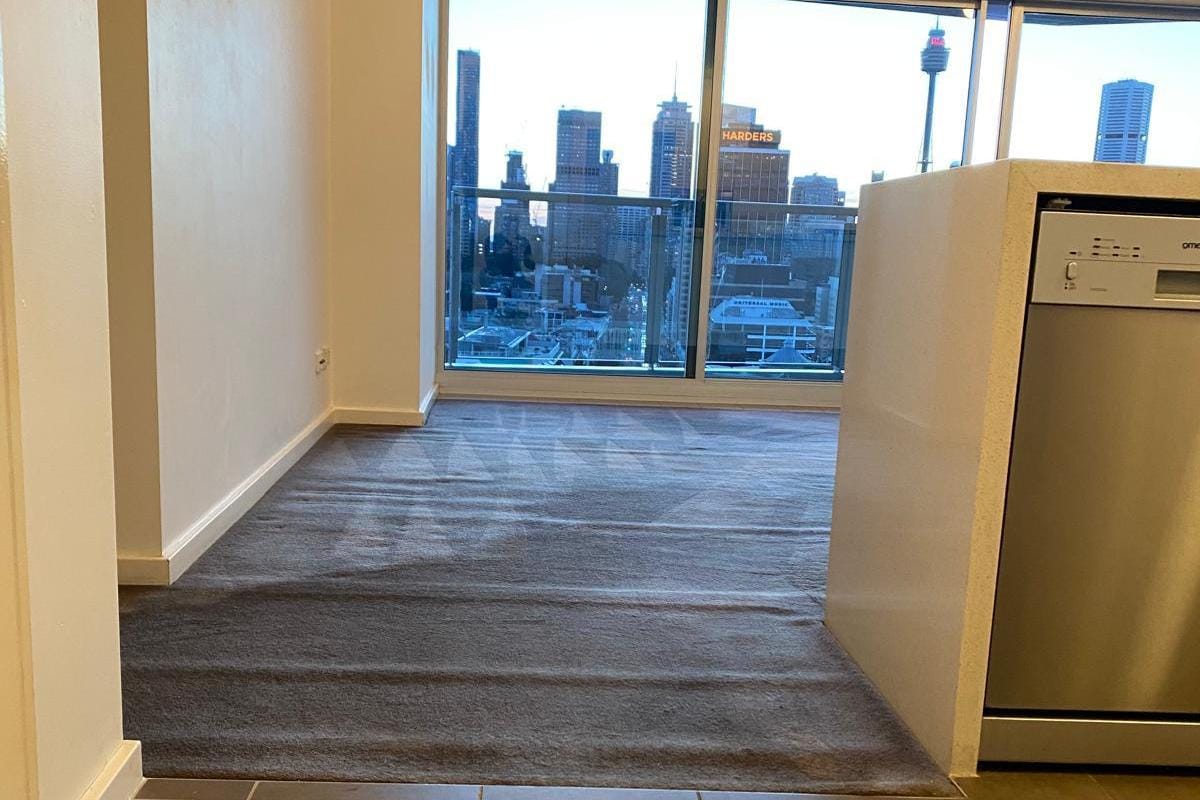
Water does not always stay where the pipe failed. It can travel under carpet, through doorways, behind skirting and into wall bases. Apartments can also have water movement between levels or into common property, making early communication with building management important.
A restoration inspection should follow the path of the water, including apparently dry boundaries, so the drying area is not defined only by what looks wet.
Document the drying process
Photos, moisture readings, equipment records and notes about the affected areas can help owners, property managers and insurers understand the scope. Documentation is also useful for deciding when equipment can be removed rather than relying on touch alone.
Restored Right provides extraction, drying and monitoring across Sydney for burst pipes and other sudden water events.
Frequently asked questions
Should I use household fans after a burst pipe?
Fans may help small surface moisture, but significant water damage can involve underlay, walls and flooring that need extraction and controlled drying.
Do I need to lift carpet?
Not always. The restoration team decides based on saturation, underlay, water source and access to the affected materials.
Should I take photos before cleanup?
Yes, when safe. Photos of the source, affected rooms, contents and water spread can be useful for records and insurance discussions.
How quickly should restoration start?
As soon as practical after safety and source control. Prompt extraction and assessment help reduce the time materials remain wet.
Need help with this problem?
Restored Right provides Water Damage Restoration Sydney and related restoration or cleaning services across Sydney. For urgent water damage, call 0481 825 326. For planned work, request a booking online.